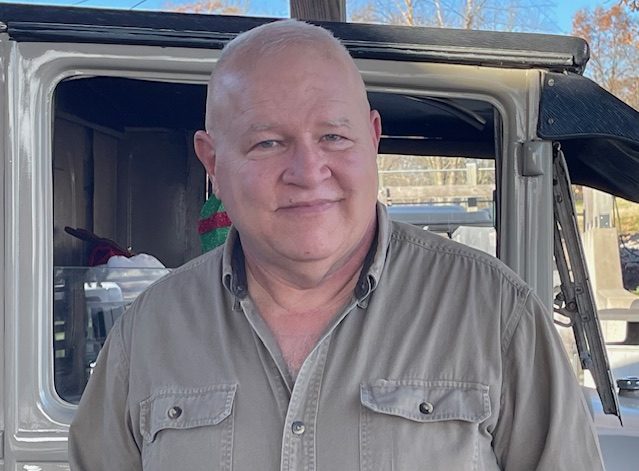
As a writer, I have the power to create new worlds, people (characters), places (settings) and the plots. Hollis is my first novel of about 50300 words and 186 pages. It enjoyed the challenge from the past eight years. In this article, I would like to share about my processes in creating Hollis and encourage anyone if they have questions, suggestions, or opinions.
New World
I’ve created a semi-fictitious world of a time when gulf war veterans were returning home from an elongated period of brutal fighting, bloodshed, and emotional trauma that took place on the other side of the world. Hemispheres, Continents, and countries compete for control. The story is centered around one character trying to cope with society but was thrown into chaos that eventually melds into a purpose for his life and future.
Characters
I really enjoyed creating the characters for Hollis. My over-the-road experience exposed me to the homeless, down-trodden, and the destitute. By no means I disrespect these people, but instead, I honor them as representation in my book. Here are some examples of characters that represent my real-life acquaintance from the towns and cities I’ve traveled.
Hollis Beckman (the protagonist) is one of those war veterans you see hanging out at the street corner begging for money. He returned from the war physically and mentally damaged. The government did their share of “repairing him,” but the result left him wandering aimlessly as a homeless statistic with PTSD (Post Traumatic Stress Disorder) a serious mental disorder. He stopped going to the VA, he stopped taking his meds, and he refused any help to adjust to society based on lack of trust or confidence. Stoic by nature, his emotional capacity (if overloaded) shuts his body down.
Another character I created, named Carl Dillard, worked for the Salvation Army. He becomes a mentor to Hollis. An angel and a lifeline to the homeless, he gives hope, love, and care to Hollis. I personally met individuals like this, working the streets and reaching out to people like Hollis Beckman. Care and love are the highest qualities from people like this. They are rare. Other similar character examples are pastors (Rev. Rolly Richards), church volunteers, and simple Samaritans (such as a restaurant owner named Frank.)
Another homeless veteran, named Sarge, becomes Hollis’ sidekick and admirer. He was based on a real-life homeless Vietnam veteran I met on the streets of St. Louis. Almost every week, he would greet me with a salute at Salisbury Street and we would exchange quick updates. I worked hard to replicate and emulate his personality throughout my book. I don’t know if he’s alive today, but his spirit remains inside me. I salute you, Sarge.
My antagonist, Arlo Santini, is a nasty character. I find him challenging to create, because I didn’t mean to be cliché or predictable, but I tried to make Arlo into a meticulous professional approaching the end of his career. He is an aging assassin focused on his retirement, the most important goal for him. He has serious bad thoughts about people and a total contempt for authority. He is a man that leaves almost no footprints from his life. I wanted a man determined to obtain his final retirement check.
Beverly was created from my perception of a plain, mid-western gal. Not the highest quality of beauty, but charming, caring, and lovable with flaws that makes any such character real. She’s country-girl tuff, with enough femineity to soften Hollis’ heart. Hollis Beckman is smitten by her, and she becomes the prize for this knight in shining armor.
The Ballard family, another experience from my youth and from early my trucking career, gives their sole existence to corruption, drug peddling, and criminal intent. Decades ago, I used to work for a similar family that presented a bully-mentality where the environment was toxic and fearful to its employees. I enjoyed stretching this out further to enhance the experience for Hollis and you (the readers).
The final character is SSgt Adolf Hostetler. He comes from my past experience in the Marine Corps. I once knew a staff NCO in charge of my unit in Okinawa, Japan. Hostetler reflects this man’s personality, because of his experience in the Vietnam War, he lashed out in anger at anyone that is subpar to his standards. He was stoic by nature and a man you steered away from. I wanted everyone to understand, some people in leadership within the Corps has mental problems, anger issues, and social ineptness. I wanted Hostetler’s death and his haunting spirit to become the internal conflict for Hollis Beckman and his PTSD.
Settings
Most scenes are true from this author. Only some names or locations have been changed based on my golden rule: “You can keep the actual names and locations if they are 100 miles from where you live.” For instance, Salisbury Street is an actual location in St. Louis. That is where I met Sarge and got my first inspiration for this book. The old (1911) Mckinley Bridge, crossing the Mississippi River into Illinois, is real. The back roads of Illinois, the town of McLeansboro, and the Shawneetown Bridge crossing the Ohio river into Kentucky, is certainly real. I recommend everyone to check those places out. The Wilson Tower, a real impressive skyscraper and the streets in Chicago, were also mentioned. Ft. Dawson, Kentucky is fictitious, but has the elements of two towns made into one. Gum Lick Hollow is a real place, but the topography described in Hollis, is different. Settings were challenging and can be overstated if you do not consider the reader’s attention span. I tried to balance macro to micro descriptions and keep the readers imagination anchored for the characters involved.
Plots and Arcs
Plots and arcs are tricky. My first time in creating a full-length novel, I learn to appreciate all writers in this kind of work. To start with a hook to begin the major plot for the book. Inserting arcs such as backstories, character behaviors, individual deeds, and major scene changes were very interesting to me. I became aware of problems and the overuse of certain subjects. I tried to conserve myself and understand the arc completion and overall plot endings, closure is the key and I’m confident in keeping the beginning, middle, and end for reader’s completion and satisfaction.
After my initial two drafts of grammatical editing and mechanical corrections, I believed the book is readable for the beta readers. I choose 4 people to check this manuscript, because I’m with the adage, too many cooks in the kitchen can only be a disadvantage for the book. When all the beta readers are finished and I take their considerations to make the necessary improvements, then, I will make the submissions to 30 agencies at a time until someone accepts it. Pray that my book is entertaining and has a lucrative outcome to be successful.
SBowers


Leave a Reply